
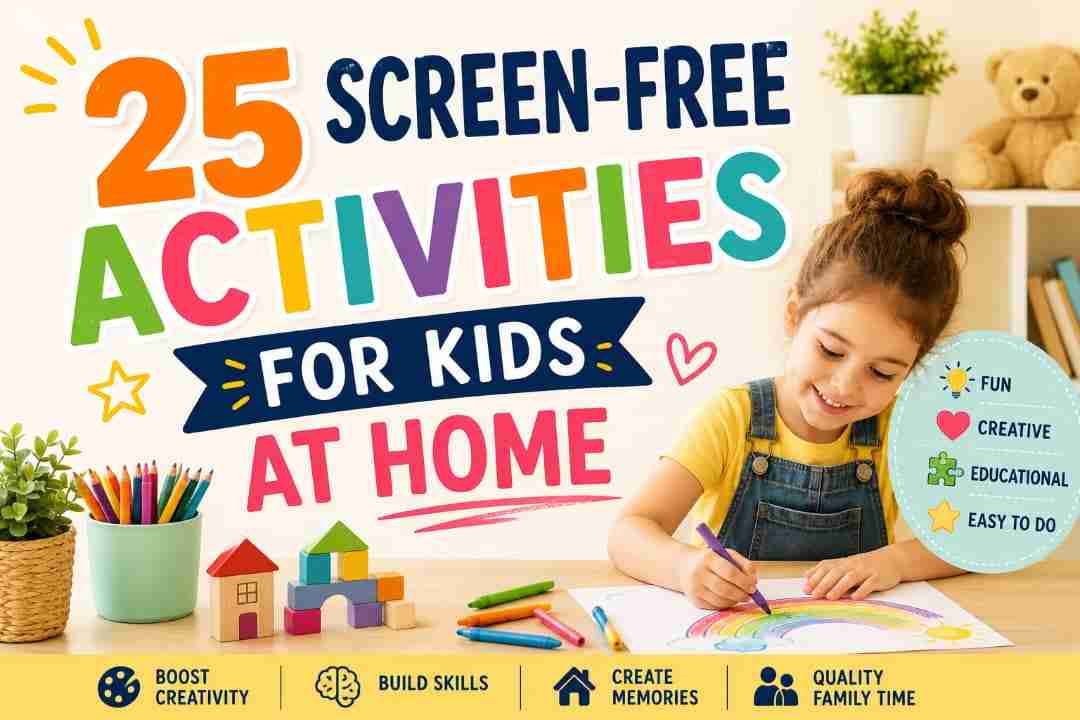
- Screen-free activities help kids build creativity, patience, confidence, and problem-solving skills.
- The best activities at home are usually simple, low-cost, and easy to set up.
- A good mix of quiet play, active play, and creative play keeps kids interested longer.
- Everyday household items can become great play tools with a little imagination.
- Kids stay more engaged when they feel involved in choosing the activity.
Screen-Free Activities for Kids at Home: Fun Ideas That Actually Work
Keeping kids entertained at home without screens can feel surprisingly hard, especially when the day is long, the weather is bad, or everyone has already said “I’m bored” five times before lunch.
Most parents know this moment well. It is the point where you start looking around the house, wondering how a living room can somehow feel like a theme park, classroom, playground, and snack bar all at once.
The good news is that kids do not need constant access to screens to have fun. In fact, many of the best activities for children are the simplest ones.
A few crayons, some building blocks, a stack of books, a cardboard box, or even pillows from the sofa can open the door to hours of play.
I have found that screen-free activities work best when they are easy to start, fun enough to hold attention, and flexible enough to grow with the child’s imagination.
That is the real secret. You do not need a huge budget or a perfect setup. You just need a few ideas ready to go.
In this guide, I will walk through practical screen-free activities for kids at home, explain why they matter, and share tips to make them work even on the busiest days.
Why Screen-Free Activities Matter So Much
Screen-free play is not just about taking a break from devices. It gives children space to think, move, create, and solve problems on their own.
That kind of play matters because it builds skills that last long after the activity is over.
When children color, build, pretend, or explore, they are practicing focus and independence. When they make a story, solve a puzzle, or build a fort, they are learning how to think in new ways. When they play with siblings or parents, they also practice communication and cooperation.
There is another benefit too: screen-free activities often slow the pace of the home in a good way. Instead of the fast, jumping-from-video-to-video feel that screens can create, children get a chance to settle into a task and stay with it. That can be calming for them and for the whole family.
And honestly, some of the most memorable childhood moments come from ordinary things.
A blanket fort on a rainy afternoon. A homemade puppet show. A kitchen baking session with flour on the counter and laughter everywhere. Those are the moments children remember.
How to Choose the Right Activity
Not every child likes the same kind of play, and not every activity works in every mood. A child who is full of energy may need movement. A child who is tired may prefer quiet play. A child who wants attention may enjoy doing something with an adult, while another may want independent time.
I like to think of screen-free activities in four simple groups:
- Quiet activities for calm moments
- Active activities for children who need to move
- Creative activities for children who love making things
- Practical activities that let children help around the home
When you keep these four groups in mind, it becomes much easier to choose something that actually works instead of forcing one idea that does not fit the moment.
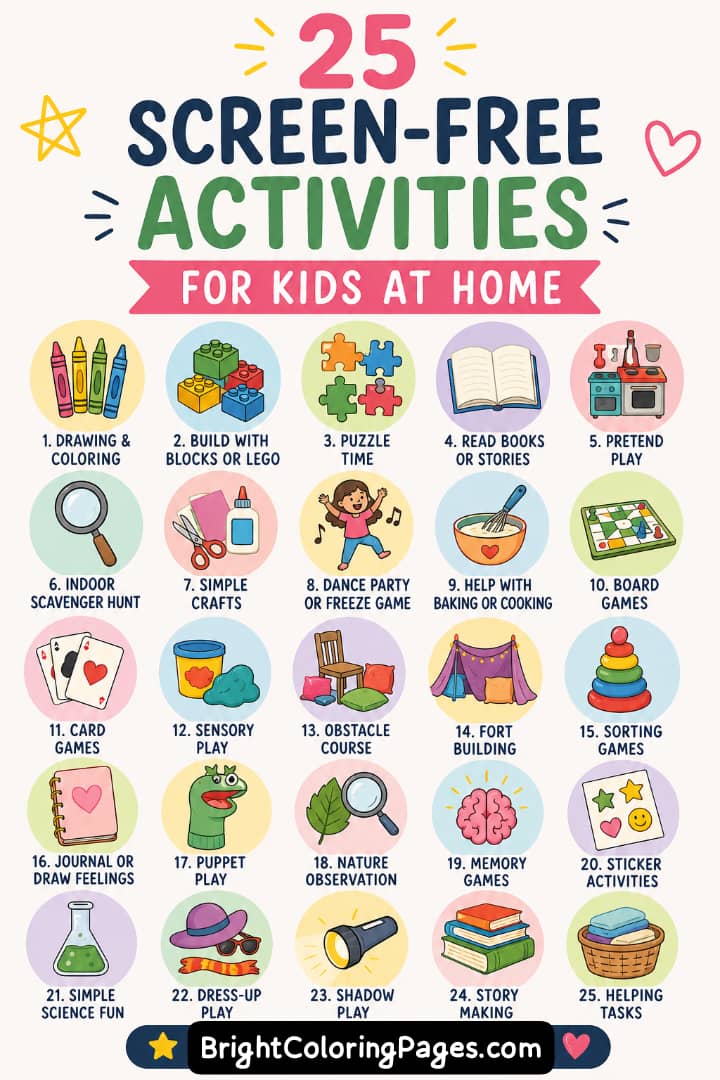
25 Screen-Free Activities for Kids at Home
1. Drawing and coloring
This is one of the easiest screen-free activities to start with. Give children crayons, pencils, markers, or coloring pages and let them create freely. You do not need a complicated setup. A notebook and a few colors are enough.
Coloring helps children develop hand control, focus, and patience. For younger kids, it is also a great way to practice holding a pencil and learning how colors work together. For older kids, drawing can become a full creative outlet. They may want to draw animals, superheroes, houses, cars, or characters from their imagination.
2. Building with blocks or LEGO
Building toys are excellent because they are open-ended. A child can build a tower today, a bridge tomorrow, and a city the day after that. There is no single right answer, which makes the play more creative.
This kind of activity also supports problem-solving. Kids figure out balance, structure, spacing, and design while they play. If you have more than one child, building together can also encourage teamwork.
3. Puzzle time
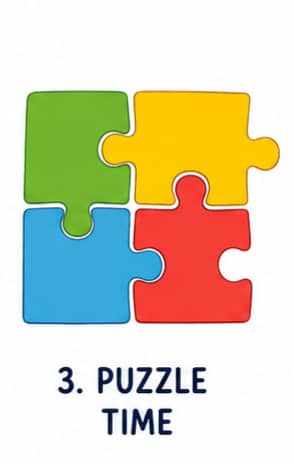
Puzzles are great for quiet, focused play. They teach patience, observation, and persistence. A child has to keep looking, trying, and adjusting until the pieces fit.
Start with simple puzzles for younger children and gradually move to more detailed ones as they grow. You can also turn puzzle time into family time by working on one together.
4. Reading books

Reading is one of the most valuable screen-free habits a child can build. It can be a calm solo activity or a cozy shared moment with a parent or sibling. Reading aloud is especially powerful because it adds voice, expression, and connection.
Try making stories more interactive by asking questions as you read. What do you think will happen next? Which character do you like best? What would you do in this situation? This keeps children engaged and helps them think more deeply about the story.
5. Making up stories
If your child likes talking, storytelling is a wonderful activity. You can start with a simple prompt like, “Once there was a cat who could talk,” and let the child build from there.
Storytelling helps children use imagination and language at the same time. It can be funny, silly, or dramatic. The point is not perfection. The point is creative thinking.
6. Pretend play
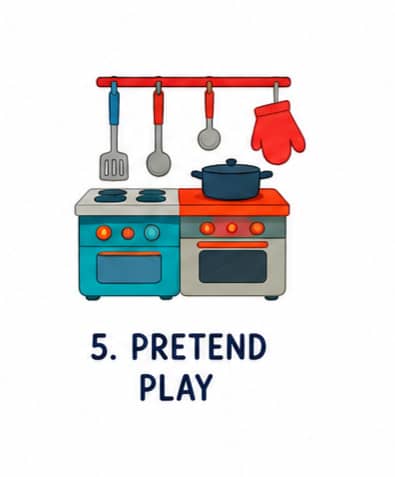
Pretend play is one of the strongest screen-free activities because it can last a long time. A child might turn the living room into a kitchen, school, hospital, shop, restaurant, or airport. The possibilities are endless.
Pretend play is not just fun. It also helps children understand roles, practice social situations, and express ideas in a safe way. A few cups, toy food, old clothes, or paper props can be enough to get started.
7. Indoor scavenger hunt

This is one of the best activities when a child says they are bored. You can make it very simple. Ask them to find something soft, something red, something that begins with a certain letter, or something that makes noise.
You can also make it more exciting by giving clues instead of direct instructions. This turns the activity into a small adventure around the house.
8. Simple crafts
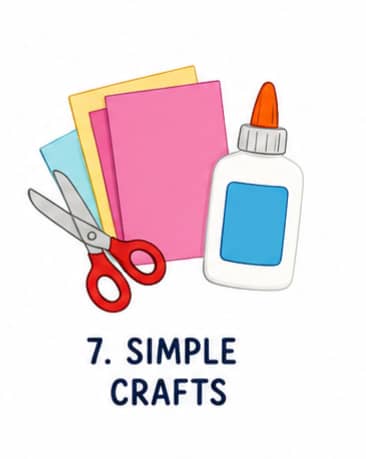
Crafts do not need to be fancy. Paper, glue, scissors, tape, and crayons are enough for many projects. Children can make greeting cards, masks, paper flowers, paper animals, bookmarks, or collages.
Crafts are especially useful because they mix creativity with fine motor skills. Children cut, fold, stick, color, and design all in one activity. It is also satisfying for them to make something they can show to others.
9. Dance party

Sometimes the best screen-free activity is simply movement. Put on music and let kids dance freely around the room. You can make it more playful by freezing when the music stops or copying each other’s moves.
Dance is wonderful because it helps children release energy, improve coordination, and have fun at the same time. It is also a very quick way to reset the mood in the house.
10. Help with baking or cooking

Children often love being included in the kitchen. Stirring, mixing, pouring, decorating, and counting ingredients are all age-appropriate ways to participate.
This does more than keep them busy. It helps them learn about measuring, sequence, following directions, and responsibility. Plus, they usually enjoy eating something they helped create.
11. Board games
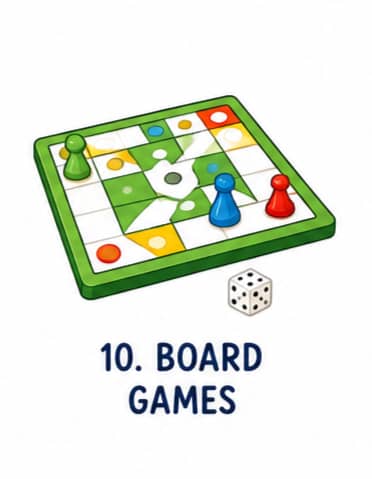
Board games are a classic for a reason. They help children learn turn-taking, patience, and healthy competition. They also create a nice opportunity for family bonding.
Choose simple games for younger children and more challenging ones for older kids. The real value is not just winning. It is learning how to play, wait, and keep going.
12. Card games
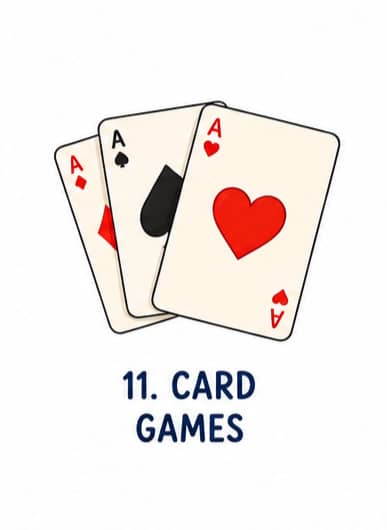
Card games are easy to store and quick to set up. Even very simple games like matching, sorting, or number-based card games can keep children interested.
They are especially useful when you need a fast activity that does not require a lot of supplies.
13. Sensory play
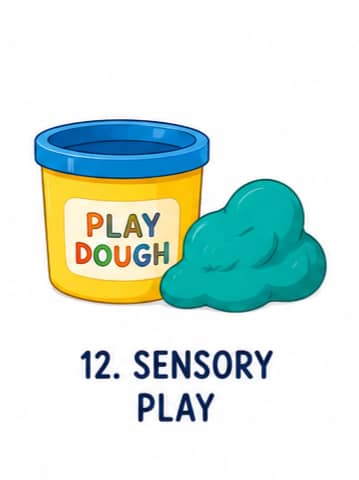
Sensory play can be incredibly engaging. Rice bins, play dough, water play, foam, or textured objects let children explore through touch. Some kids love this kind of activity because it feels relaxing and hands-on.
You do not need a lot to make sensory play interesting. A tray, a bowl, and a few safe household materials can be enough. Just keep things age-appropriate and supervised.
14. Obstacle course
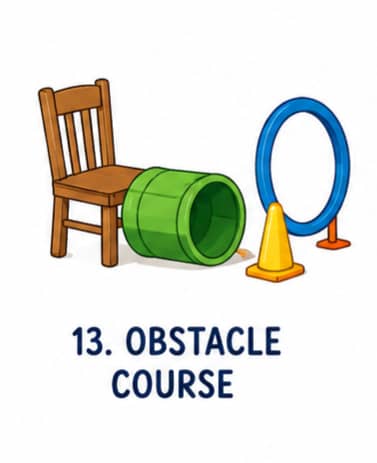
If your child has a lot of energy, an indoor obstacle course can be a lifesaver. Use pillows to jump over, chairs to crawl under, tape lines to balance on, and blankets to move around.
The best part is that it can be customized easily. You can make it simple for younger kids and more challenging for older ones. It gets them moving and gives them a clear mission.
15. Fort building
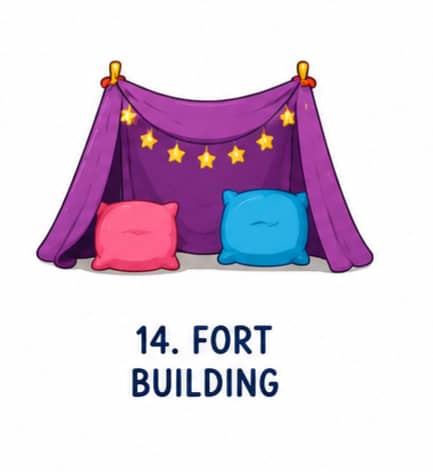
A fort made from blankets, cushions, and chairs can turn into a reading nook, pretend castle, secret club, or quiet hideout. Children naturally love small cozy spaces that feel special.
Fort building encourages creativity and problem-solving. It also gives kids a sense of ownership because they helped create the space.
16. Sorting games
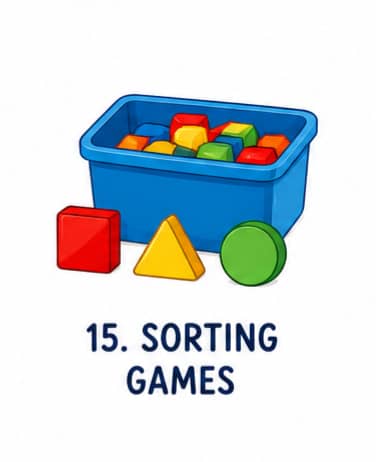
Sorting may sound simple, but children often enjoy it more than adults expect. Ask them to sort toys by color, size, shape, or type. You can use buttons, socks, blocks, or household items.
This is a great early learning activity because it builds observation, classification, and focus.
17. Journaling or drawing feelings
Older kids may enjoy writing about their day, their favorite things, or even imaginary adventures. Younger children can draw feelings instead of writing them.
This activity gives children a healthy way to express themselves. It can be calm, reflective, or playful depending on the child.
18. Puppet play
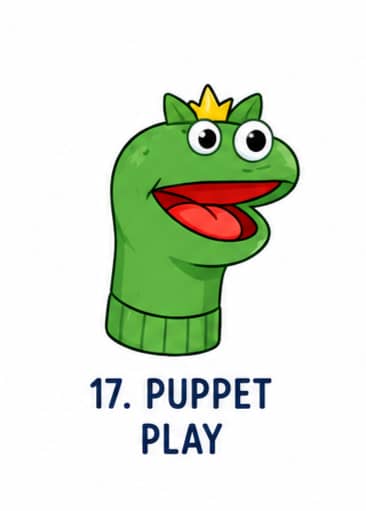
Puppets are a fun way for children to tell stories without feeling like they are performing directly. They can use socks, paper bags, or simple homemade puppets.
A puppet show can become a family event or a solo imagination game. It is also a great way to encourage talking, storytelling, and confidence.
19. Nature observation

Even indoors, children can talk about nature by looking out the window, observing the sky, watching birds, or exploring leaves and flowers they have collected safely outside.
You can ask questions like: What do you notice? What color is the sky? Do the clouds look fast or slow today? Small observations like this help children pay attention to the world around them.
20. Memory games
Memory games are simple and effective. Place a few items on a tray, let the child look at them, then cover the tray and ask what they remember.
This builds attention and recall while still feeling like play. You can make the game easier or harder depending on the child’s age.
21. Sticker activities
Sticker books or sticker scenes are great for quiet time. They are easy to use, neat, and usually very appealing to children who enjoy arranging and decorating.
This is one of those activities that feels small but can keep a child occupied for a surprisingly long time.
22. Simple science fun

Children love small science-style experiments because they feel exciting. Try mixing colors in water, testing what floats and sinks, or observing how ice melts.
These activities do not need to be complicated to be educational. In fact, the simpler they are, the better they often work at home.
23. Dress-up play

Old hats, scarves, jackets, shoes, and costumes can inspire hours of creative play. Children love becoming someone else for a while, whether that is a doctor, a superhero, a teacher, or a pirate.
Dress-up play encourages imagination and role play, and it is one of the easiest ways to spark a game without buying anything new.
24. Shadow play
A flashlight or a little sunlight on a wall can create hours of wonder. Children can make hand shadows, compare shapes, or simply explore how light works.
This kind of play is magical because it turns something ordinary into something interesting.
25. Small helping tasks
Children often enjoy feeling useful. Folding washcloths, matching socks, arranging books, or helping set the table can become a screen-free activity when done in a playful spirit.
These small jobs teach responsibility while also giving children a sense of contribution. Many kids love being trusted with “real” tasks.
How to Keep Kids Engaged Longer
The best screen-free activities are usually the ones that do not feel too forced. A child is more likely to stay interested when the setup is simple and the activity leaves room for choice.
Here are a few things that help:
- Keep supplies visible and easy to reach.
- Offer one activity at a time instead of too many choices.
- Let kids help decide what to do.
- Rotate activities so things feel fresh.
- Do not worry about everything looking neat or perfect.
In my experience, children often play longer when they feel ownership. That might mean they choose the colors, choose the game, build the fort, or invent the story. The more involved they feel, the better the result.
Best Activities for Different Moods
One of the easiest ways to reduce frustration at home is to match the activity to the child’s energy.
- For quiet time, try reading, coloring, puzzles, stickers, journaling, or memory games.
- For high energy, try dance parties, obstacle courses, scavenger hunts, or fort building.
- For creativity, try crafts, pretend play, puppet shows, or storytelling.
- For hands-on fun, try sensory play, cooking, sorting, or simple science experiments.
This makes screen-free time feel more natural and less like a battle.
Useful Tips for Parents
It helps to have a few simple supplies ready in one place. A “play basket” with crayons, paper, stickers, scissors, tape, and a few small toys can save time when boredom hits.
It also helps to remember that not every activity needs to be long. Some days a 10-minute game is enough to reset the mood. Other days a craft or fort may take over the whole afternoon.
And most importantly, do not feel pressured to be endlessly creative. Children do not need a new perfect activity every hour. They need options, encouragement, and space to explore.
Conclusion
Screen-free activities for kids at home do not have to be expensive, complicated, or exhausting. In many cases, the simplest ideas are the best ones. Coloring, building, reading, pretending, dancing, scavenger hunting, and crafting can turn an ordinary day into something fun and meaningful.
What makes these activities work is not perfection. It is play, imagination, and connection. When children are given space to create and explore, they usually find a way to make ordinary things exciting.
A house with children does not need to be quiet all the time. It just needs a few good ideas, a little flexibility, and enough room for fun to happen.
FAQ
Some of the best options are coloring, building with blocks, puzzles, reading, pretend play, scavenger hunts, and crafts. These are easy to set up and can keep kids engaged for a long time.
Mix quiet activities, active activities, and creative activities. Children usually stay more interested when they can choose something that matches their mood and energy.
They can build forts, dance, read books, do crafts, play board games, help in the kitchen, or make up stories. Even simple household items can become fun tools for play.
Yes. Many screen-free activities help children build skills like reading, counting, problem-solving, creativity, patience, and communication
Keep a few supplies ready, rotate activities often, and choose simple ideas that do not require too much setup. That makes it much easier to start when boredom appears.
Dance parties, obstacle courses, scavenger hunts, fort building, and movement games are excellent for kids who have lots of energy.
Reading, puzzles, coloring, journaling, sticker books, and memory games are great for calmer moments or winding down.
1 thought on “25 Screen-Free Activities for Kids at Home That Actually Keep Them Busy”