
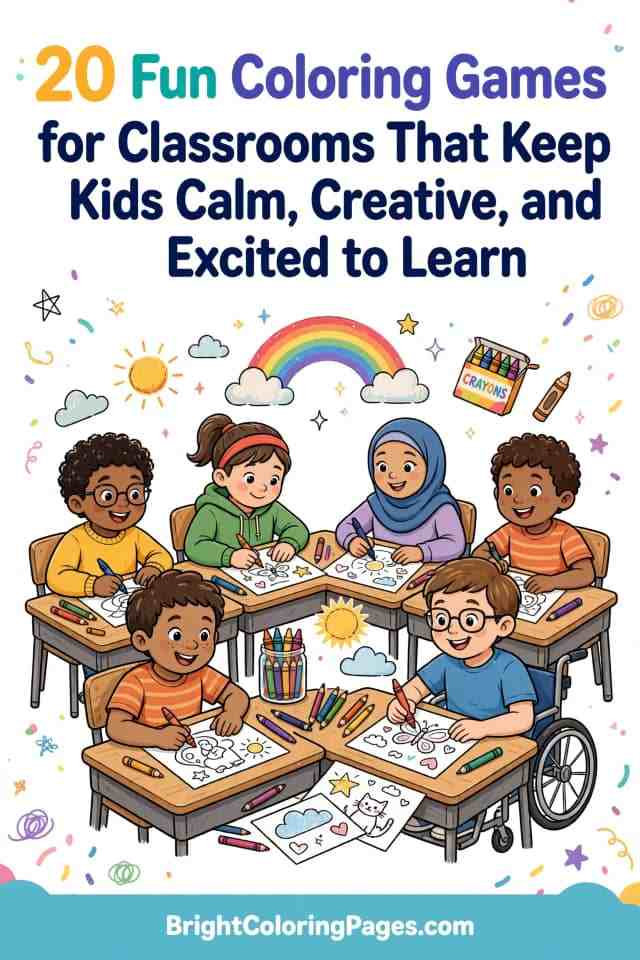
If you have ever watched a classroom full of children light up at the sight of crayons, markers, or colored pencils, you already know something fun is happening.
Coloring is not just a calm activity to fill time. It is one of the easiest ways to help children stay engaged, express themselves, and enjoy learning in a relaxed way.
Over the years, I have seen how powerful simple coloring activities can be in a classroom setting. A well chosen coloring game can turn a restless group into a focused one.
It can help shy children participate more confidently. It can even make lessons feel less like work and more like fun. That is the real magic of classroom coloring games. They are easy to set up, inexpensive, and surprisingly effective.
In this post, I am sharing 20 fun coloring games for classrooms that teachers can use in different settings. Some are perfect for individual work. Some are better for teams or small groups.
Others work beautifully as warm ups, center activities, indoor recess ideas, or reward time. Whether you teach preschool, kindergarten, elementary school, or a mixed age class, you will find plenty of ideas here to use right away.
The best part is that these games do more than keep kids busy. They help children build patience, coordination, color recognition, listening skills, and creative thinking.
And because they are playful, students often do not even realize how much they are learning while they color.
Why Coloring Games Work So Well in Classrooms
Before we get into the games themselves, it helps to understand why coloring games are such a smart classroom choice.
First, they give children a clear task. A child who may feel uncertain during a busy lesson often feels more comfortable when they have a page, a crayon, and a simple rule to follow. That kind of structure can be very calming.
Second, coloring games support fine motor development. Holding crayons, staying within shapes, and switching colors all help strengthen little hand muscles and improve coordination. Those skills matter for writing, cutting, and other classroom tasks.
Third, coloring games encourage creativity. Even when the activity has rules, children still get to make choices. They decide which colors to use, how to shade, and how to decorate their work. That sense of ownership makes the activity more meaningful.
Fourth, coloring games are flexible. A teacher can turn almost any coloring page into a game. A simple worksheet can become a challenge, a team activity, a guessing game, or a classroom competition.
Finally, coloring games are affordable and easy to prepare. Most classrooms already have the supplies needed.
That makes these activities especially useful when you want something engaging without a lot of extra planning.
20 Fun Coloring Games for Classrooms
1. Color by Number Challenge
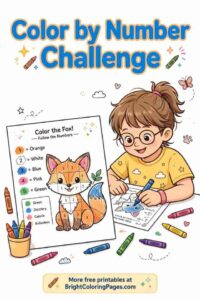
This is a classic for a reason. Give students a color by number page and ask them to match each number with the correct color.
You can keep it simple for younger children or make it more detailed for older students.
What makes this game fun is the surprise at the end. Children enjoy watching the picture slowly appear as they work.
It also helps them pay attention to directions and color matching. You can turn it into a friendly coloring challenge by giving a small reward for neatness or accuracy.
2. Mystery Picture Coloring
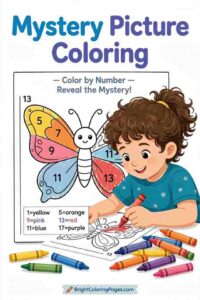
Mystery picture coloring is a wonderful way to spark curiosity. Students color a page using clues, but they do not know exactly what the final image will be until the end. This adds excitement and keeps them motivated.
Teachers can use this with seasonal pictures, classroom themes, or holiday activities. Children love guessing what the hidden image will be as they color each section.
3. Pass the Picture
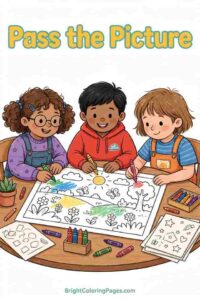
This game is perfect for group fun. Start with one coloring page and let each student color for a short time before passing it to the next person. Every child adds something to the picture.
Pass the Picture is great for teaching teamwork and sharing. It also gives students a chance to see how other classmates color and create. The final result is often unique and full of personality.
4. Roll and Color
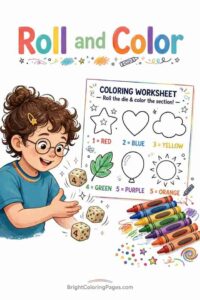
Roll and Color is one of the easiest games to set up. Assign a color to each number on a die. For example, 1 might mean red, 2 blue, 3 green, and so on. Students roll the die and color one section using the color that matches the number.
This game works especially well for younger children because it combines counting with color recognition. It is simple, fun, and easy to repeat with different coloring pages.
5. Color Bingo
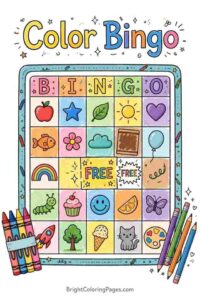
Color Bingo turns coloring into a classroom game with a little bit of movement and excitement. Make bingo cards with colored objects, crayons, or simple color squares. Call out colors, show a color card, or name objects that match a color.
Students mark the matching spaces on their card. The first one to complete a row or column wins. This is a wonderful way to reinforce color vocabulary while keeping the class engaged.
6. Team Coloring Relay
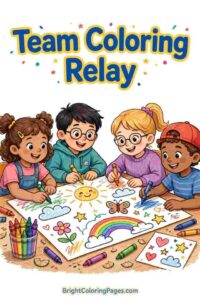
Team Coloring Relay is perfect when you want a little energy in the room. Divide the class into groups. Each team works on one picture, but only one student colors at a time for a short round before passing the page to a teammate.
This activity encourages cooperation and quick thinking. It also helps children learn that coloring can be a shared experience, not just a solo one.
READ ALSO: 7 Ways Teachers Can Use Coloring Pages in Lesson Plans to Boost Learning
7. Rainbow Race
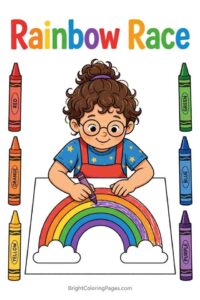
In this game, students must use every color of the rainbow at least once in their artwork. You can make it a race to see who can finish first, or simply challenge them to include all the colors creatively.
Rainbow Race is a great way to help children think about variety and balance in art. It also encourages them to explore color combinations they might not normally choose.
8. Find and Color
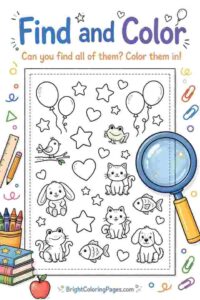
Find and Color is both a search game and a coloring activity. Students look for hidden objects on the page and then color them according to a key or set of instructions.
This is especially good for children who enjoy puzzles. It helps with attention to detail and observation skills while still giving them the joy of coloring.
9. Spin and Color
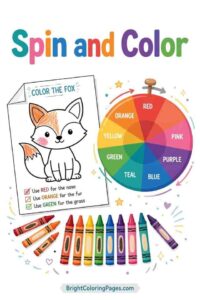
For Spin and Color, create a spinner with different colors. Students spin the wheel and then color one section of their page with the color they land on.
This game keeps things unpredictable, which makes it exciting. It works well in classroom centers because children can take turns independently without much help.
10. Alphabet Color Hunt
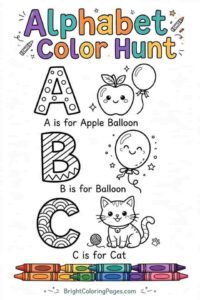
Alphabet Color Hunt is a smart way to mix literacy and art. Assign colors to letters of the alphabet, then ask students to color only the items that begin with a chosen letter.
For example, if the letter is B, students might color a balloon, a butterfly, or a bear. This activity supports letter recognition and early reading skills while keeping the mood playful.
11. Story Coloring
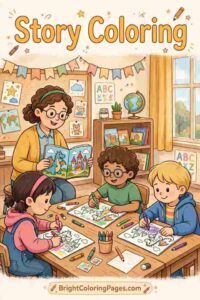
Story Coloring adds listening practice to art time. Read a short story aloud, and each time students hear a certain word, they color the matching object on their page.
For example, every time they hear the word “sun,” they color the sun. This keeps children alert and engaged while helping them connect listening with action. Click here to learn more on How to Combine Coloring with Storytelling: A Fun, Creative Way to Bring Art to Life
12. Emoji Color Match
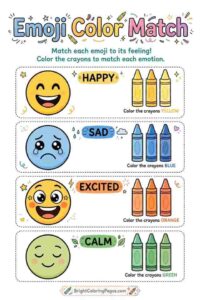
Children love emojis, so this one is usually a hit. Give students emotion words or emoji faces and assign a color to each feeling. For example, happy could be yellow, calm could be blue, and excited could be orange.
This activity is especially useful for conversations about feelings. It gives students a simple and creative way to think about emotions.
13. Color Memory Game
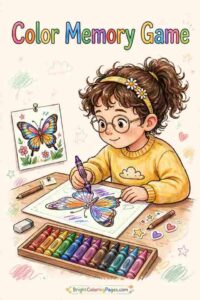
Show students a colored picture for a short time, then hide it. Ask them to recreate the colors from memory on their own page.
This game builds attention and memory skills. It is also a fun challenge because children often enjoy trying to remember exactly what they saw.
14. Pattern Copy Challenge
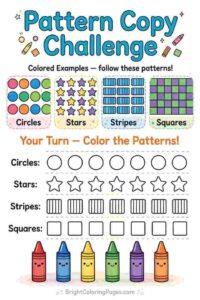
Pattern Copy Challenge is ideal for children who like structure. Show them a simple colored pattern and ask them to copy it as closely as possible.
You can use stripes, dots, alternating colors, or shapes. This is a great activity for practicing visual discrimination and concentration.
15. Collaborative Classroom Mural
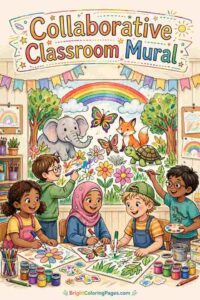
A collaborative mural is one of the most exciting large scale coloring projects you can do in a class. Print a giant image in sections and let each student color part of it. Then put the sections together to form one big mural.
This is excellent for classroom displays, school events, or special themes. It gives children a sense of pride because they can see how their part contributes to the whole.
16. Color Sorting Race
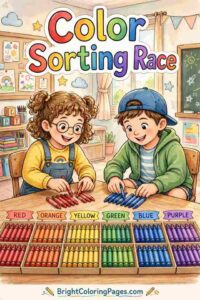
Before coloring begins, ask students to sort crayons, pencils, or markers into color groups. You can turn it into a race or a timed challenge.
This game helps younger children practice categorizing colors and organizing materials. It is a simple warm up that also teaches responsibility.
READ ALSO: How to Use Coloring Pages for Quiet Time Activities Kids Will Love
17. Finish the Picture
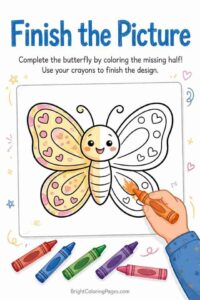
In this activity, students receive a half finished drawing or a picture with missing details. Their job is to complete the missing parts and then color the full image.
This game encourages imagination and observation. It gives children a chance to create something original while still following a simple starting point.
18. Color Wheel Challenge
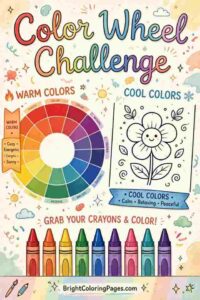
Color Wheel Challenge is great for introducing art concepts. Ask students to use only warm colors, only cool colors, or complementary colors in their picture.
This game helps children understand how colors work together. It is a fun way to add a little art theory without making the activity feel complicated.
19. Musical Coloring
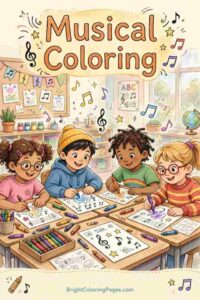
Musical Coloring brings movement and surprise into the classroom. Play music while students color. When the music stops, they swap pages with a partner and continue coloring the new page.
This keeps the activity lively and helps students stay focused on the moment. It is especially useful when you want a creative break that is still structured.
20. Teacher’s Secret Color
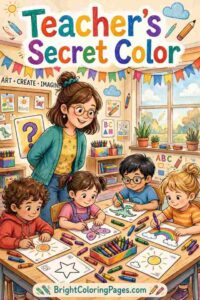
This is a simple but very effective classroom challenge. The teacher secretly chooses one color, and students earn points if they use that color creatively in their artwork.
You can reveal the secret color at the end and celebrate the students who included it well. This game encourages creativity while giving students a fun reason to think strategically about their choices.
How to Make Coloring Games Even Better
A good coloring game becomes even better when you plan it with the classroom in mind. Here are a few tips I have found useful over time.
Keep instructions short and clear. Children enjoy coloring more when they understand the rules quickly. Long explanations can make the activity lose its energy before it even begins.
Match the game to the age group. Younger children usually enjoy simple, hands on games like Roll and Color or Color Sorting Race. Older children may enjoy Mystery Picture Coloring, Pattern Copy Challenge, or Collaborative Mural projects.
Use the right supplies. Crayons are often best for younger students because they are easy to hold. Colored pencils and markers may work better for older children or more detailed pages.
Let students work in pairs or groups sometimes. Coloring does not always have to be a quiet solo activity. Group based coloring games can build communication and cooperation.
Celebrate effort, not just speed. Some children color quickly, while others need more time. A good classroom coloring game should reward participation, neatness, creativity, and focus, not only who finishes first.
Choose themes that connect to learning. Coloring games can support science, math, reading, seasons, holidays, animals, community helpers, and more. When the activity connects to class content, it feels more meaningful.
DISCOVER: 15 Birthday Coloring Activities That Keep Kids Happy, Busy, and Excited All Party Long
Best Times to Use Coloring Games in the Classroom
Coloring games are extremely versatile, which is one reason teachers love them. You can use them in many different situations.
They are excellent for morning work because they help students settle in and begin the day calmly. They also work well during art class when you want structure without too much pressure.
Coloring games are useful for indoor recess because they keep children entertained without causing too much noise or chaos. They are also a great choice for early finishers who need a quiet activity after completing classwork.
You can use them as part of classroom centers, small group activities, substitute teacher plans, reward time, or even during themed lessons.
Once you start thinking creatively, you will see that a coloring game can fit almost any part of the school day.
Why Teachers Keep Coming Back to Coloring Activities
There is a reason coloring activities never go out of style. They are simple, affordable, and surprisingly powerful.
Teachers appreciate them because they are easy to prepare and easy to manage. Students enjoy them because they feel fun and low pressure.
Parents appreciate them because they support learning in a relaxed way. That combination is hard to beat.
A strong coloring game can calm an energetic class, re engage distracted learners, and give quiet children a chance to shine. It can also help students practice skills they need in a way that feels natural instead of forced.
That is why, in my experience, classroom coloring games are not just filler activities. They are tools. When used well, they can support learning, behavior, creativity, and classroom community all at once.
TL/DR – A Brief Overview
- Coloring games are more than just a quiet activity. They can support focus, fine motor skills, creativity, and classroom participation.
- The best coloring games are simple to set up, easy to adapt for different ages, and fun enough to keep children interested.
- Games like Color by Number, Roll and Color, and Pass the Picture work well for individual and group learning.
- Coloring games can be used during art class, literacy lessons, indoor recess, early finishers time, and classroom centers.
- With the right game, coloring becomes a learning tool that feels playful, interactive, and memorable for students.
Conclusion
Coloring games are one of the easiest ways to bring more joy into the classroom. They are flexible, low cost, and full of learning value.
Whether you are teaching young children how to recognize colors or helping older students work together on a creative project, coloring games give you plenty of options.
The best part is that you do not need a complicated setup to make them work. A simple page, a few crayons, and a clear idea are often enough to create a memorable classroom moment.
From Color by Number to Collaborative Murals, every game on this list can help turn regular coloring time into something students look forward to.
If you are a teacher, homeschool parent, or classroom helper looking for easy ways to make learning feel more playful, coloring games are a great place to start.
They bring out creativity, encourage focus, and help children enjoy the process of making something with their own hands. And in a classroom, that kind of learning is always worth keeping.
FAQs On Coloring Games
Coloring games can work for preschoolers, kindergarteners, elementary students, and even older children. The key is to choose the right level of difficulty for the age group.
Yes. Coloring games can support math, reading, science, social studies, and social emotional learning. For example, you can use color by number for math or story coloring for listening practice.
They help children build fine motor skills, focus, color recognition, patience, creativity, and teamwork. Some games also support counting, memory, and listening skills.
Absolutely. Coloring games can help settle a class, reduce noise, support transitions, and give students a calm but engaging task. They are especially useful during indoor recess or early finishers time.
Most games only need printed pages and basic coloring tools like crayons, markers, or colored pencils. Some games may also use dice, spinners, or a timer, but the setup is usually very simple.